Posts tagged with “video games”
"Designing to reveal the nature of the universe" — Jonathan Blow and Marc ten Bosch at IndieCade 2011
Note
Jonathan Blow has said some truly embarrassing stuff since I made this post. At original time of writing, I was a fan. Now, I’m just disappointed.
I watched this interesting talk on game design by Jonathan “Braid” Blow and Marc “Miegakure” ten Bosch. They espouse and explore a particular design aesthetic where the designer essentially plays the role of a mathematician. “Good design” then becomes a selection of orthogonal mechanisms (axioms), and an exhaustive-yet-minimal mapping-out of what’s derivable (theorems), and then demarcation of the boundary. Since it needs to be fun, the real art has to come from crafting surprise and tweaking axioms to capture exactly what you want. They both make some very interesting points, and I thought this comparison with mathematics was a particularly cool and apt way to frame the ideas.
This aesthetic is particularly apparent in the examples they use in the talk, including Braid, VVVVVV, Ikaruga and the as-yet-unreleased Miegakure.
Stalker is dead. Long live Vostok Games.
GSC Game World, the recently closed-then-reformed Ukrainian development team behind the first-class Stalker series, has announced that they won’t be continuing development on Stalker 2.
Bugs as narrative
I want to describe an interesting experience I had recently. Something which completely changed my experience of a piece of art and something which is almost unique to the medium of video games.
The other day I was pointed towards Souvenir, a work-in-progress from MFA students Robert Yang, Mohini Dutta, and Ben Norskov. In the creators’ words:
Souvenir is a first-person video game about growing up and leaving home. The disorientation of becoming an adult is reflected in the surreal M.C. Escher-inspired world with multiple gravities.
Closure review

Since Braid, 2D indie puzzle platformers have had somewhat of a resurgence (to put it mildly). Typically with such a release, we expect the game to have some unique, mind-bending mechanic, sport either retro pixels or hand-drawn art, and to be “atmospheric”. Closure fits snugly into this paradigm. Going in, I was worried I’d be trudging through it, rapidly losing interest as the novelty wore off as has happened before with indie puzzlers. But this didn’t happen; Closure grabbed me and, through its excellently designed levels and well-crafted difficulty curve, lead me through to completion in just a few play sessions.
Real Myst book
This makes me pretty happy. Mike Ando has created a real, working Myst linking book.
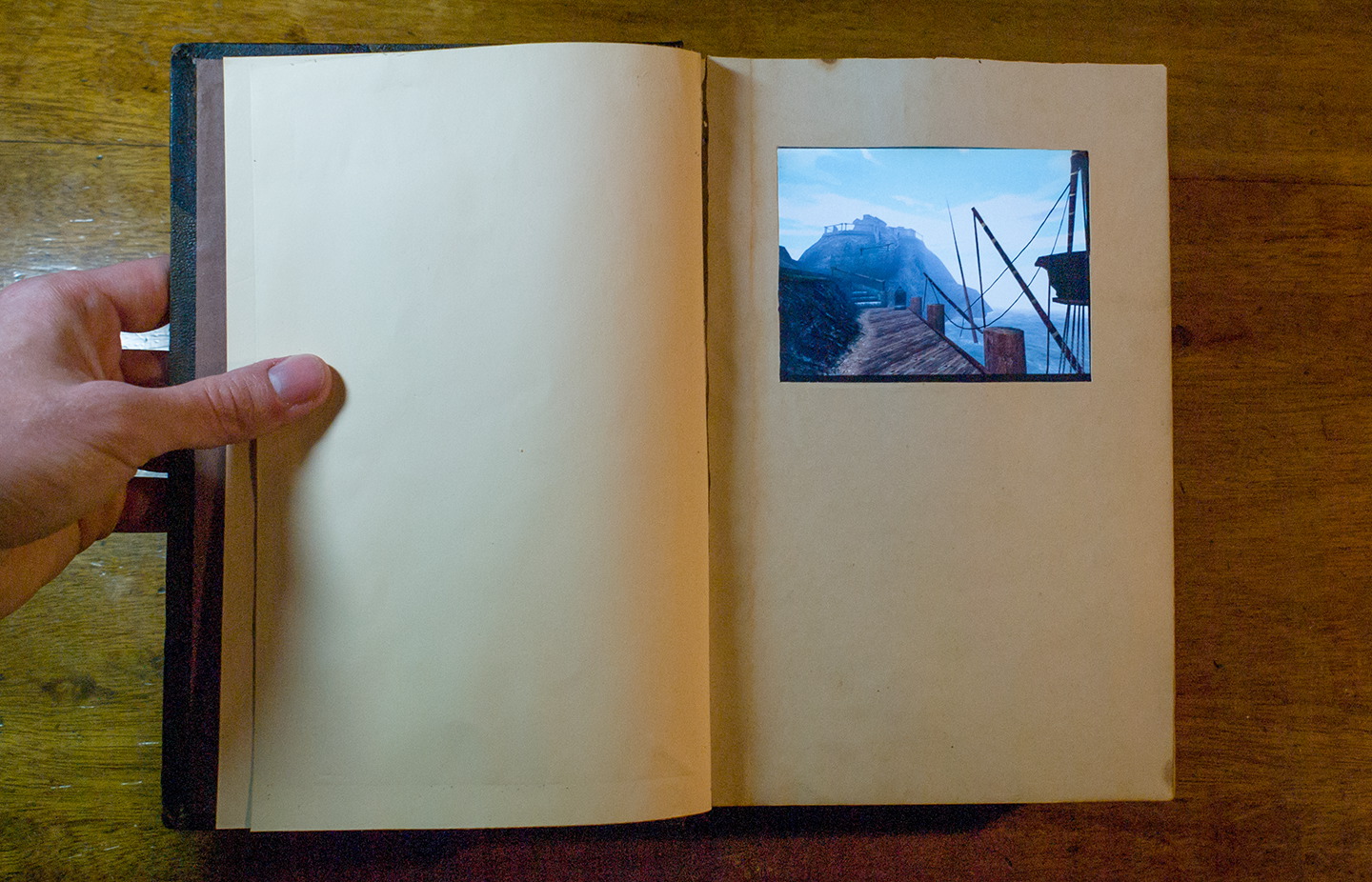
Well, actually it’s a Myst-playing PC inside a hollowed-out book identical to the original Myst book, but it’s still gorgeous.

I am a lifelong fan of Cyan Worlds’ Myst games, especially the first two. They occupy a special, formative part of my mind.
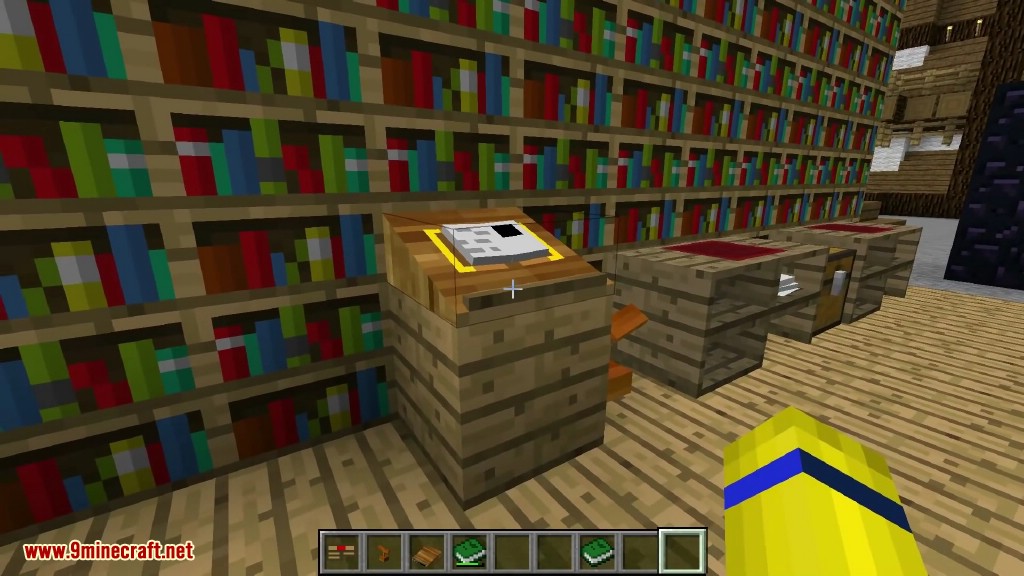
Something else which I am excited about, but which I have yet to fully investigate is Mystcraft, a Minecraft mod which allows players to create linking books and write descriptive books and use them to travel between worlds. That seems to rank among the best ideas.
Clint Hocking: "Dynamics: The State of the Art"
Clint Hocking’s talks are always interesting, but this is a particularly fascinating one from the GDC 2011.
Tropes vs. Women in Video Games: first video is out
Aural Architecture
In the past few years there have been released a handful of indie games which share a kind of common form and aesthetic, one that strikes a chord with me. This design space is represented in my mind by Kairo, and the upcoming Fract and NaissanceE, though it contains many more.
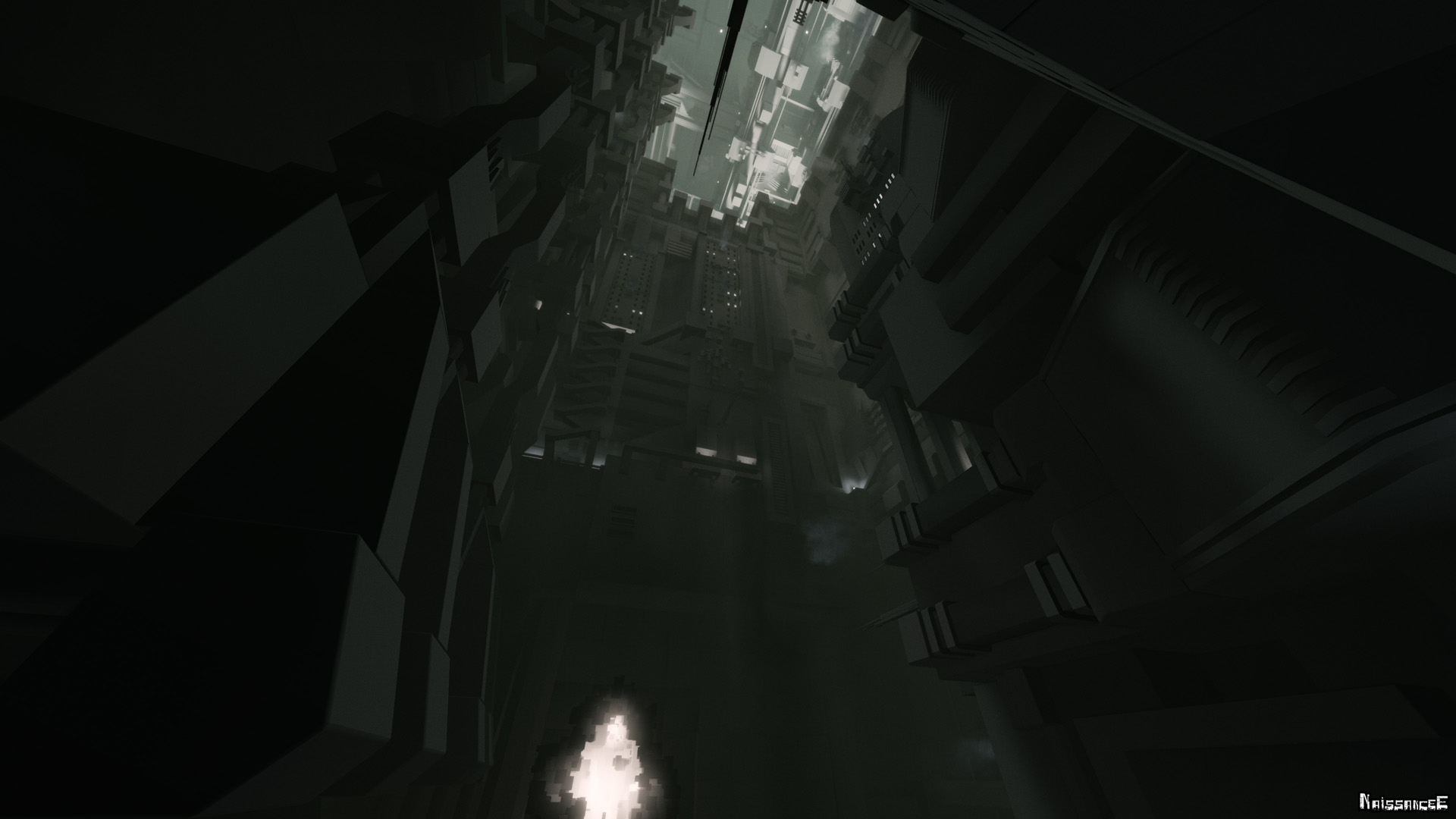
The quality these games have in common is use a first-person perspective and an experience based around architecture and soundscapes, working in concert to elicit some aesthetic or emotional response.
Company letters
Today I read two letters written by companies which impressed me.
The first is by Kickstarter. Some asshole was trying to raise money to produce a “seduction guidebook” which advocated sexual assault of women, and though many people asked Kickstarter to cancel the project before the funding period completed, they didn’t. Then today they wrote a (seemingly) sincere letter of apology to their users, and by way of compensation have donated $25,000 to RAINN, an anti-sexual assault organisation.
Robert Yang: Let's Play Anomalous Materials from Half-Life
Robert Yang (who I’ve mentioned here before) made such a good let’s play of the first room and corridor of Half-Life.
A “let’s play” is traditionally a narrated video of one or more people playing through a video game. Usually they are just to document the video game so that it can be experienced or understood without playing it, but some of the best ones are made by people who know the game inside out and are able to add some amount of context or commentary to the play-through, drawing the viewer’s attention to specific details and not getting side-tracked by any difficulty in progression. There are many great let’s plays on the Let’s Play Archive.
Robert Yang’s video is not really about the game as it is played, but about the design of the game from the perspective of a level designer. It was made for a let’s play event.
I don’t think he has plans to do more but I would listen to that guy talk about level design any time. A couple of the comments under his post of the video are worth reading too.
Glitch Pigeon
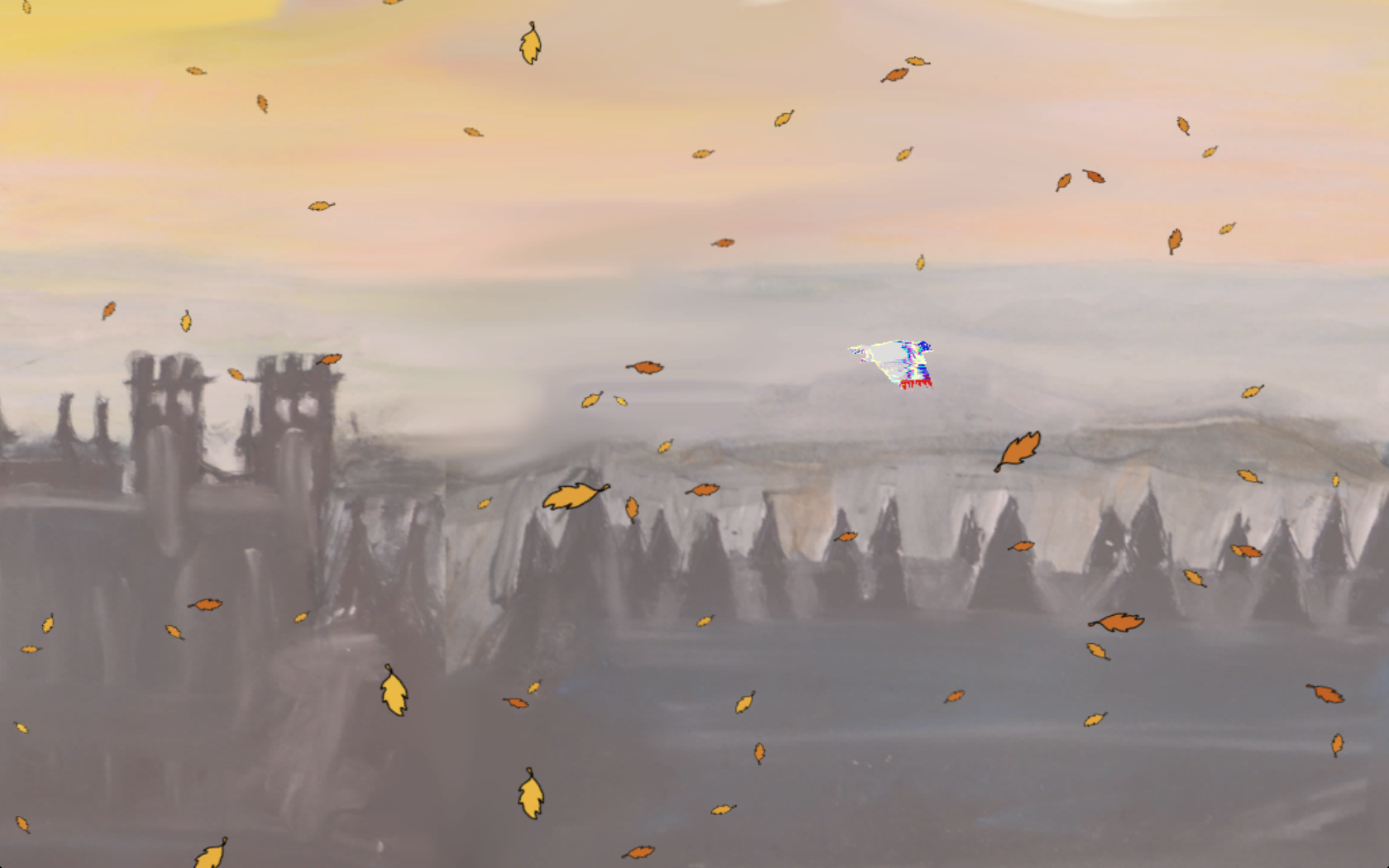
It’s been a pretty horrifying couple of weeks on Twitter, hasn’t it? At least it has on my timeline. Two unrelated, awful events in particular came right on top of each other, each whipping up a social media storm. First the violent incursion of militarised police into peaceful democratic protests in Ferguson, Missouri. Second the eruption of sickening misogyny and violent threats directed at female game makers and games journalists, in particular Anita Sarkeesian and Zoe Quinn.
VideoBrains
Near London? Like thinking and talking about video games? You should check out VideoBrains. It’s a monthly meet of games journalists, developers, academics and other enthusiasts which takes place in an esports bar near-ish Kings Cross.
Each event features panels and talks by smart people, who so far have had only interesting and thoughtful things to say. If it sounds like your thing, you should really check it out.
Also, previous talks are posted on their Youtube channel, so you can get a flavour of what it’s like. But if you do watch them, consider throwing the organiser a dollar or so; he puts a hell of a lot of effort into making it as good as it is.
Gitaroo Man
I enjoyed Eurogamer’s cute, affectionate retrospective of Gitaroo Man.

I always thought of Gitaroo Man as a somewhat obscure game, so it makes me happy to read other people who also hold it dear. Reading Eurogamer’s retrospective brought to mind an early episode of Michael Abbot’s podcast where he revisits Gitaroo Man, and has some kind words to say.
It’s nice that those who remember this game regard it with such affection.
I never had a PS2, and never owned Gitaroo Man. But I have extremely fond memories of playing late into the night with Stuart and a group of other friends, handing off between songs, working our way up to attempting S-ranks on hard on all songs (something I witnessed, but never managed). Very evocative of a particular time in my youth. The soundtrack hasn’t left my playlist since.
Free to play
I’m curious/trepidatious about this recurrent theme in the icons of successful free-to-play iOS games.

Like, there must be a reason. But I’ll bet it’s either superstition or awful psychology.
Updates below!
Sacramento
Sacramento is a lovely little game by Dziff, available on their itch.io page.
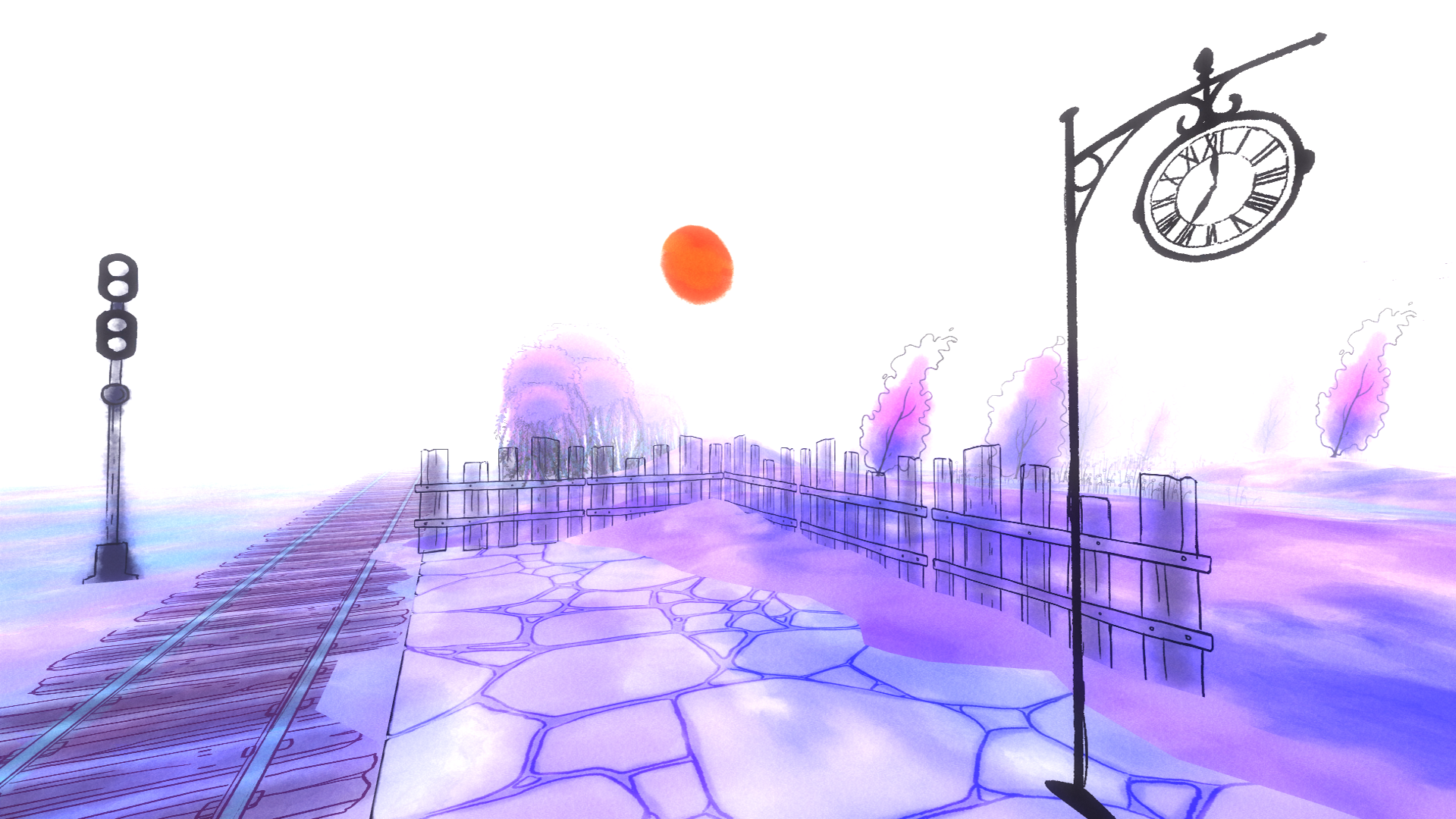
It’s a little, quiet, dreamy watercolour space of sun, wind and wildlife to explore, with accompaniment by Glass Body.
It’s more than worth a dollar and 10 minutes of your time.
(via a Hannah Nicklin tweet)
Curtain
Curtain is a short, powerful game by Llaura Dreamfeel, available on their itch.io page.

I won’t say too much about it, other than I played it about a year ago (after Danielle Riendeau recommended it on an episode of Idle Thumbs), and it’s stayed with me for a long time since then. I really recommend it, though take note of content warnings on the website.
Super Mario Brothers
Note: video contains immediate profanity.
This obviously isn’t mine, and my guess is it wasn’t made by this person either. (If you know the providence, please comment or contact!)
Political alignment
Speaking of Mario:
Thanks to Art House Politics for making me lol.